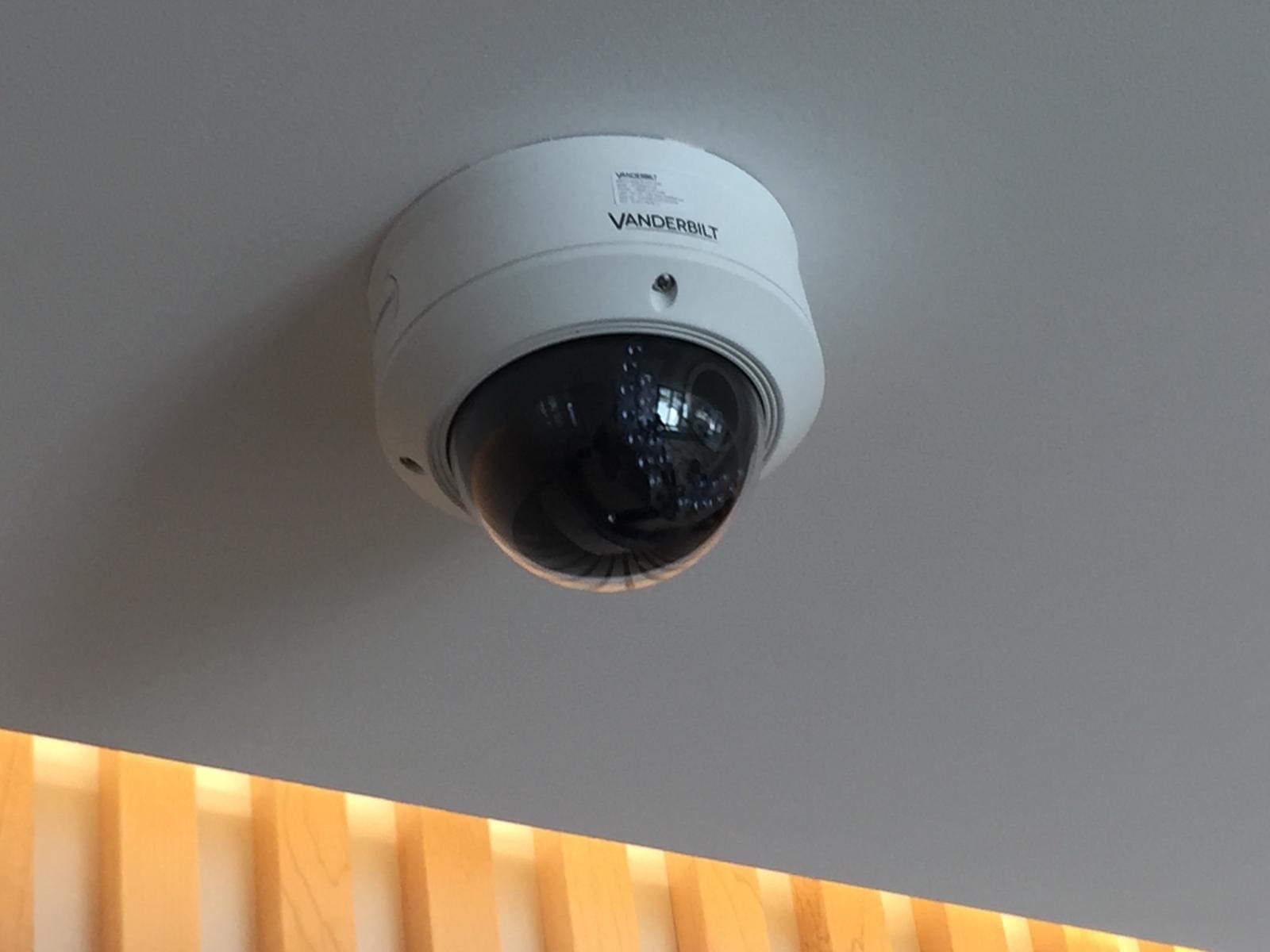
For years the complaint about CCTV alerts has been the same: your phone buzzes all night because of a spider, a moth or a shadow moving across the lens. Smart detection, often marketed as AI, is designed to fix that. It is a real improvement, as long as you know what it does and what it does not.
What smart detection actually does
Basic motion detection notices that pixels in the picture have changed. Smart detection goes a step further and classifies what moved, typically as a person, a vehicle or nothing of interest. The camera or recorder analyses the picture itself, so it only flags events that match what you asked it to look for.
Common features include:
- Person and vehicle detection, so rain, leaves, insects and headlights no longer trigger alerts.
- Line crossing and intrusion zones, where you mark a virtual line or area (a side gate, a fence line, a loading bay) and only get an alert when someone crosses or enters it.
- Faster searching, so you can look back through recordings for people or vehicles instead of scrubbing through hours of footage.
Why it matters
Fewer false alerts means people keep notifications switched on, which is what makes remote viewing useful in the first place. For a business it also saves time reviewing footage after an incident.
What it does not do
- It does not fix a badly positioned camera. A camera that looks into the sun, or sees people too small to classify, will perform poorly however clever the software is.
- It is not perfect. Very dark scenes, heavy rain, dense shrubbery or unusual angles can still cause missed or incorrect detections, so it should be tested after installation.
- It is not a security guard. It tells you something happened, and someone still needs to decide what to do about it. If you want cameras and an alarm working together, intruder alarms remain an important layer.
Getting the best out of it
- Choose camera positions and lighting with detection in mind. Clear, well-lit views of entry points work best.
- Set zones to cover the areas that matter rather than the whole scene.
- Revisit sensitivity settings after a few weeks of real use.
These are the details we settle during a site survey, for both home CCTV and commercial CCTV. If you are planning an upgrade, request a quote or book a free survey. Privacy rules still apply to footage that is analysed, so our data protection checklist for business CCTV is worth a read too.