Where your footage is stored affects how reliable your system is, what it costs to run, and how easy it is to share clips. The two main options are a recorder on site (local storage) and cloud storage. Plenty of systems now use both.
Local storage
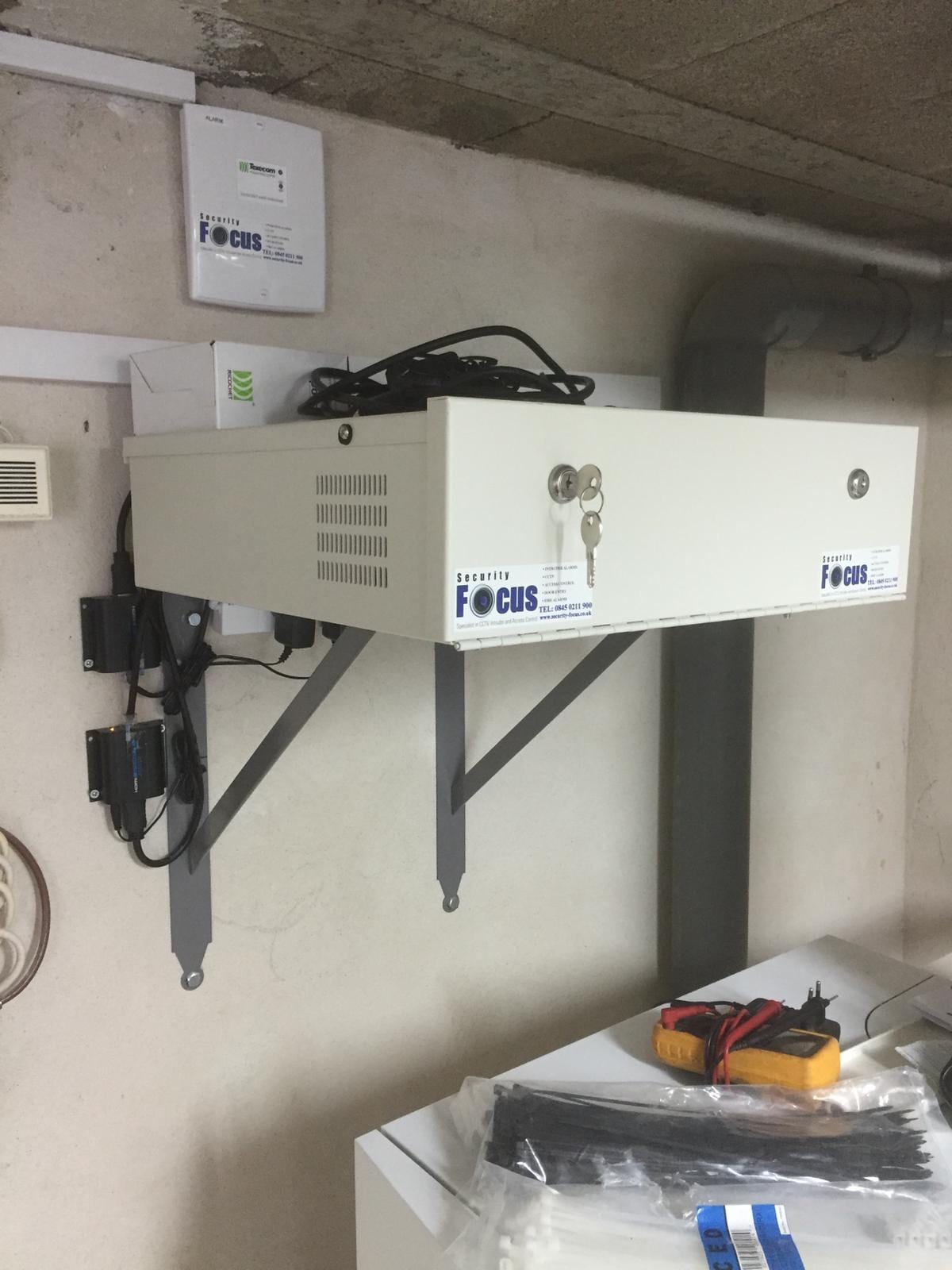
Cameras send video to a recorder (an NVR) kept on site, with footage held on its hard drives.
Advantages
- No ongoing storage subscription.
- Full-quality recording that does not depend on your internet connection.
- You decide where the footage is and who can access it.
- Large amounts of storage are relatively cheap.
Drawbacks
- If the recorder is stolen, damaged or hit by fire, the footage goes with it.
- Hard drives wear out and need checking and replacing.
- Remote viewing relies on your broadband upload speed.
Cloud storage
Footage, or clips of it, are uploaded to a provider's servers and stored off site.
Advantages
- Footage survives theft of, or damage to, equipment on site.
- Easy to view and share from anywhere.
- Little or no hardware to maintain.
Drawbacks
- Usually an ongoing subscription, often tied to the number of cameras and how long footage is kept.
- Needs a reliable internet connection with enough upload capacity, especially for high-resolution cameras.
- You are trusting a third party with the footage, so data protection and security matter. Check where it is stored and how it is protected.
The hybrid approach
A common choice is a local recorder for full-time recording, plus cloud backup of the important clips, such as alerts from entrances. You keep the reliability of local storage and gain protection against the recorder going missing.
Questions to ask
- How long do I need to keep footage, and how many cameras are there?
- What happens if the internet goes down?
- Who will be able to see the footage, and how is access controlled?
- What are the ongoing costs after installation?
The right answer is different for a family home and a busy shop, and we would rather recommend what fits than push one approach. Take a look at commercial CCTV and smart home and remote viewing, then book a free survey and we will talk through the options. Whichever you choose, keep the system secure: our guide to CCTV cyber security covers the basics.