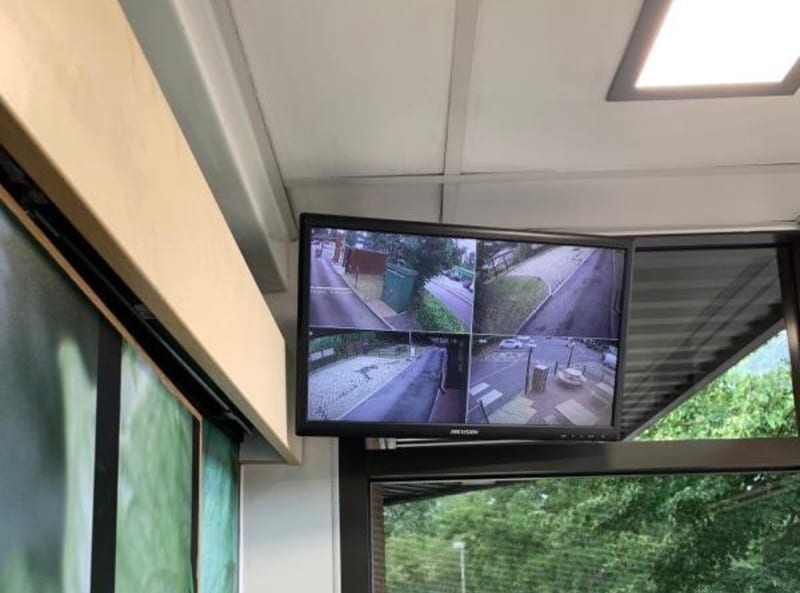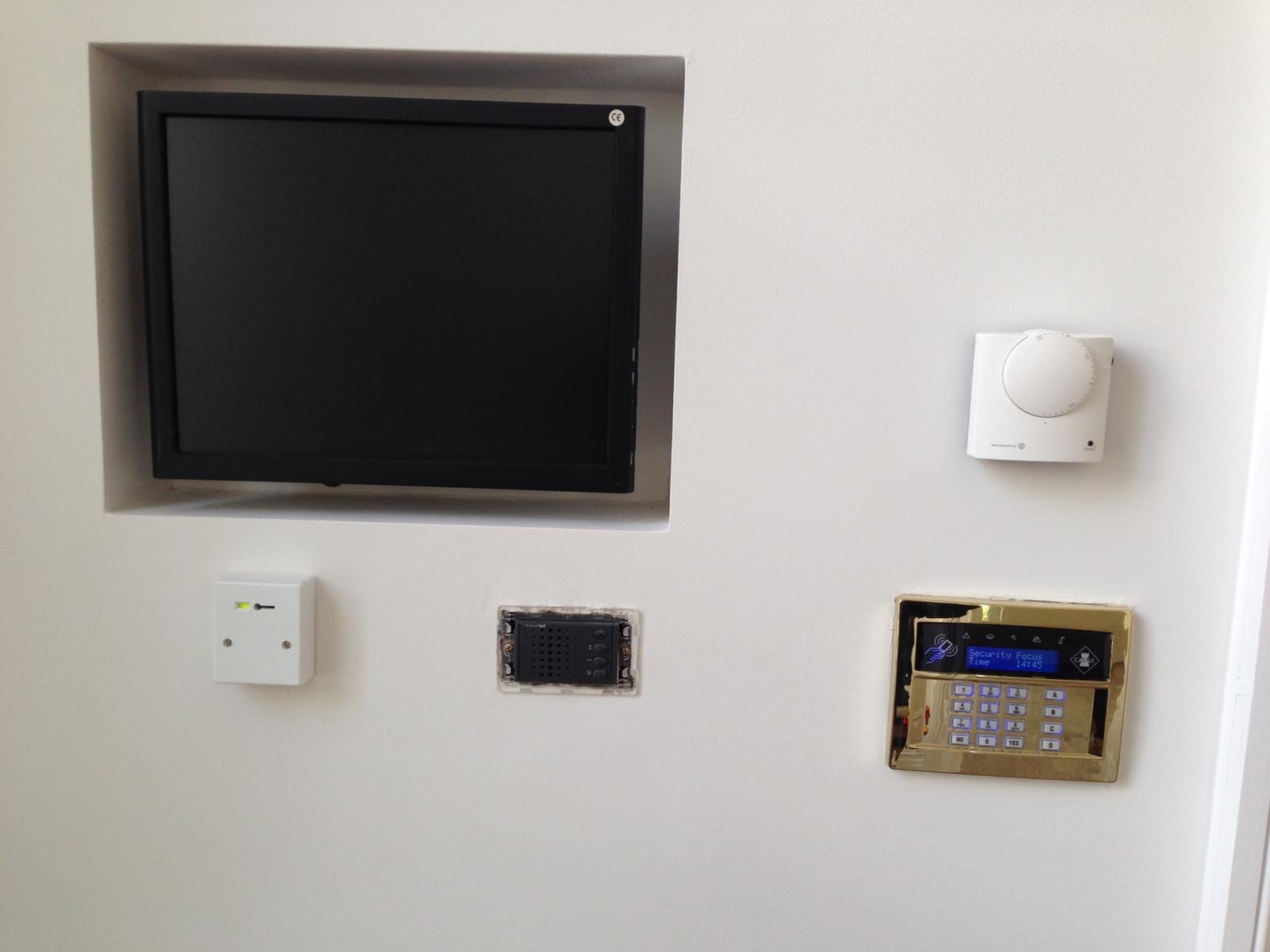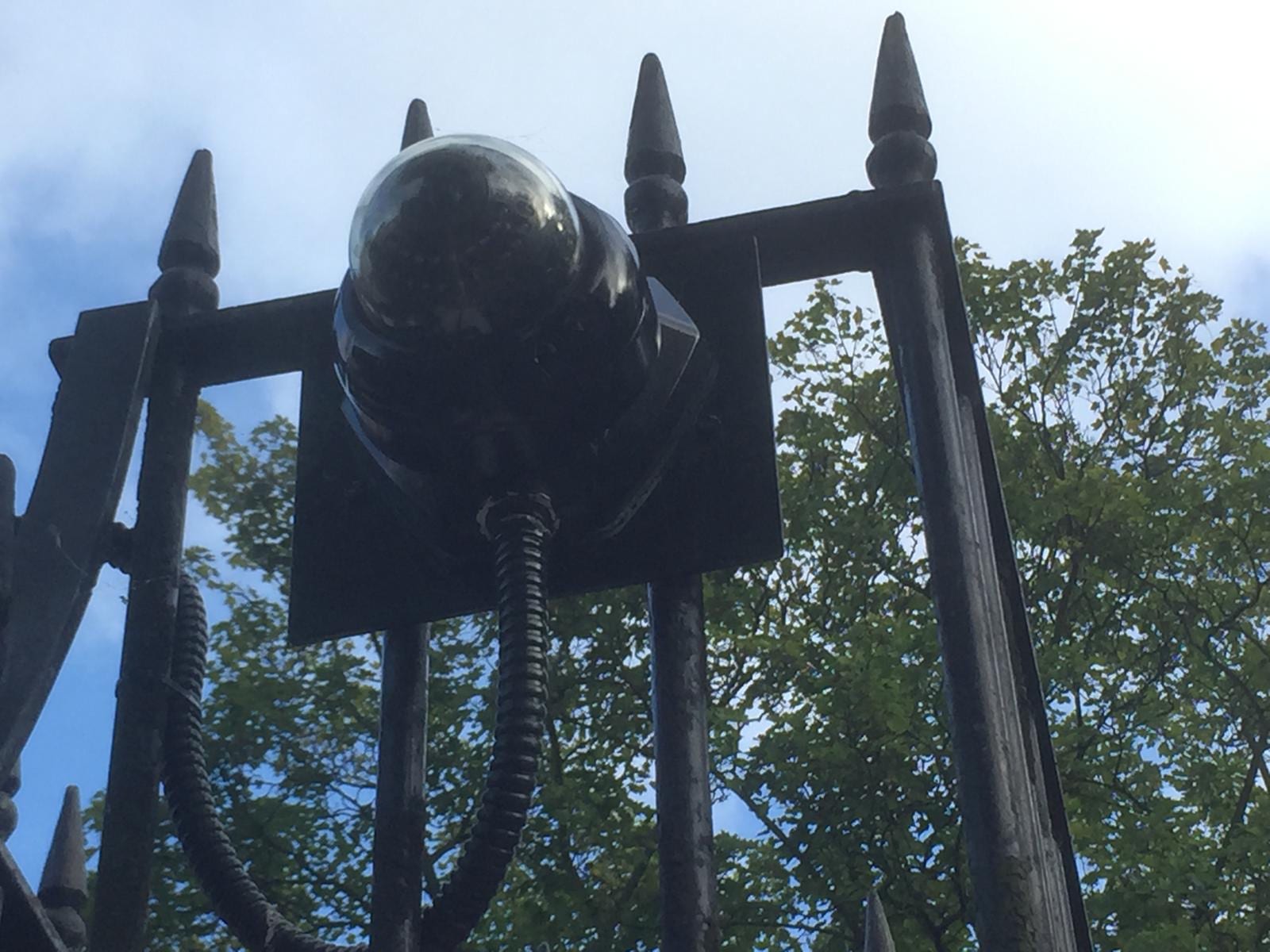
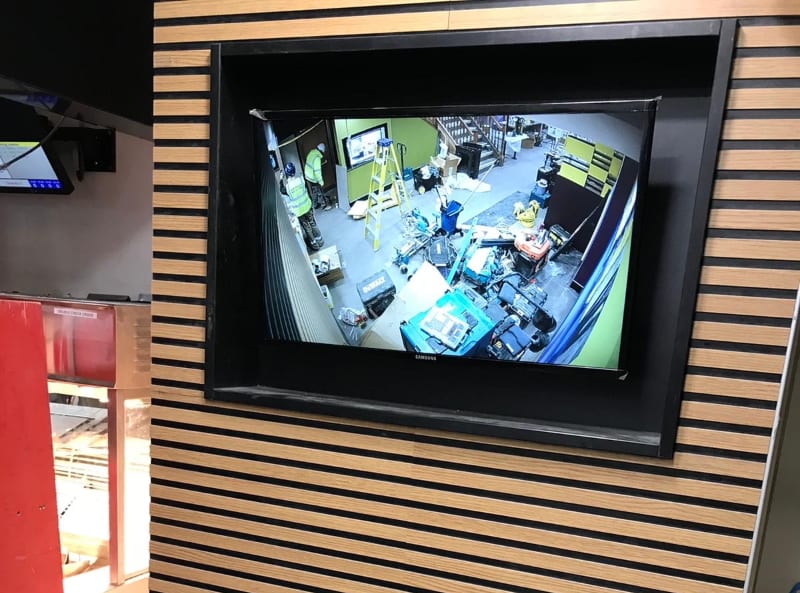
CCTV at a shop, office or workshop does more than deter crime. It records identifiable people, which makes it personal data under UK GDPR. That is not a reason to avoid CCTV, but it does mean a few basics need to be in place. Use this as a checklist.
1. Know why you have each camera
Write down the purpose of each camera, for example protecting stock, keeping staff safe or covering a cash desk. If you cannot explain why a camera is there, it is probably in the wrong place or does not need to be there. Cameras in toilets, changing rooms and similar areas are almost never appropriate.
2. Put up clear signs
People should know they are being recorded before they enter the area. Signs should say that CCTV is in use, who operates it and how to contact them. Put them at entrances and anywhere cameras are not obvious.
3. Decide how long you keep footage
There is no single legal retention period. The rule is that you should not keep footage for longer than you need it. Many businesses settle on a few weeks, long enough to notice and review an incident, then let the recorder overwrite itself. Whatever you choose, apply it consistently and write it down.
4. Limit who can view it
Live and recorded footage should only be available to people who need it. Use individual logins rather than a shared password, and review access when staff change. If you can watch your cameras from a phone, make sure that app is protected as well. Our guide to CCTV cyber security explains why this matters.
5. Be ready for access requests
Anyone who has been filmed can ask for a copy of footage of themselves. You need to be able to find the right clip, export it and protect other people who appear in it, usually within one month. A recorder that exports clean, playable clips makes this far easier.
6. Check your registration
Most organisations that use CCTV need to pay the ICO's data protection fee. The ICO has a short self-assessment on its website that will tell you whether it applies to you.
7. Review it regularly
A yearly check that cameras still cover what they should, signs are still up and the retention period still makes sense takes very little time.
Where an installer helps
System design is half the battle. Camera positions, field of view, masking of neighbouring areas and the recorder's storage and export tools all decide how easy compliance is. Read more about commercial CCTV systems, or see how we approach security for retail stores and offices and workplaces. To talk it through, get in touch.