Video doorbells have become one of the most popular bits of home tech, so it is a fair question: if you have one, do you still need CCTV? The honest answer is that they do different jobs.
What a video doorbell does well
- Shows you who is at the door, wherever you are, and lets you talk to them.
- Sends an alert when someone approaches or rings.
- Gives you a clear view of your front door, which is useful for deliveries and callers.
- Is quick to fit on most properties.
Where a doorbell falls short
- It covers one spot. Burglars often try side gates, rear doors and windows rather than the front door.
- Many only record when triggered, rather than continuously, so you can miss what happened before or after.
- Battery models need recharging and can drop offline, and wired models need a suitable supply at the door.
- Coverage depends on your wifi signal at the front of the house.
What CCTV adds
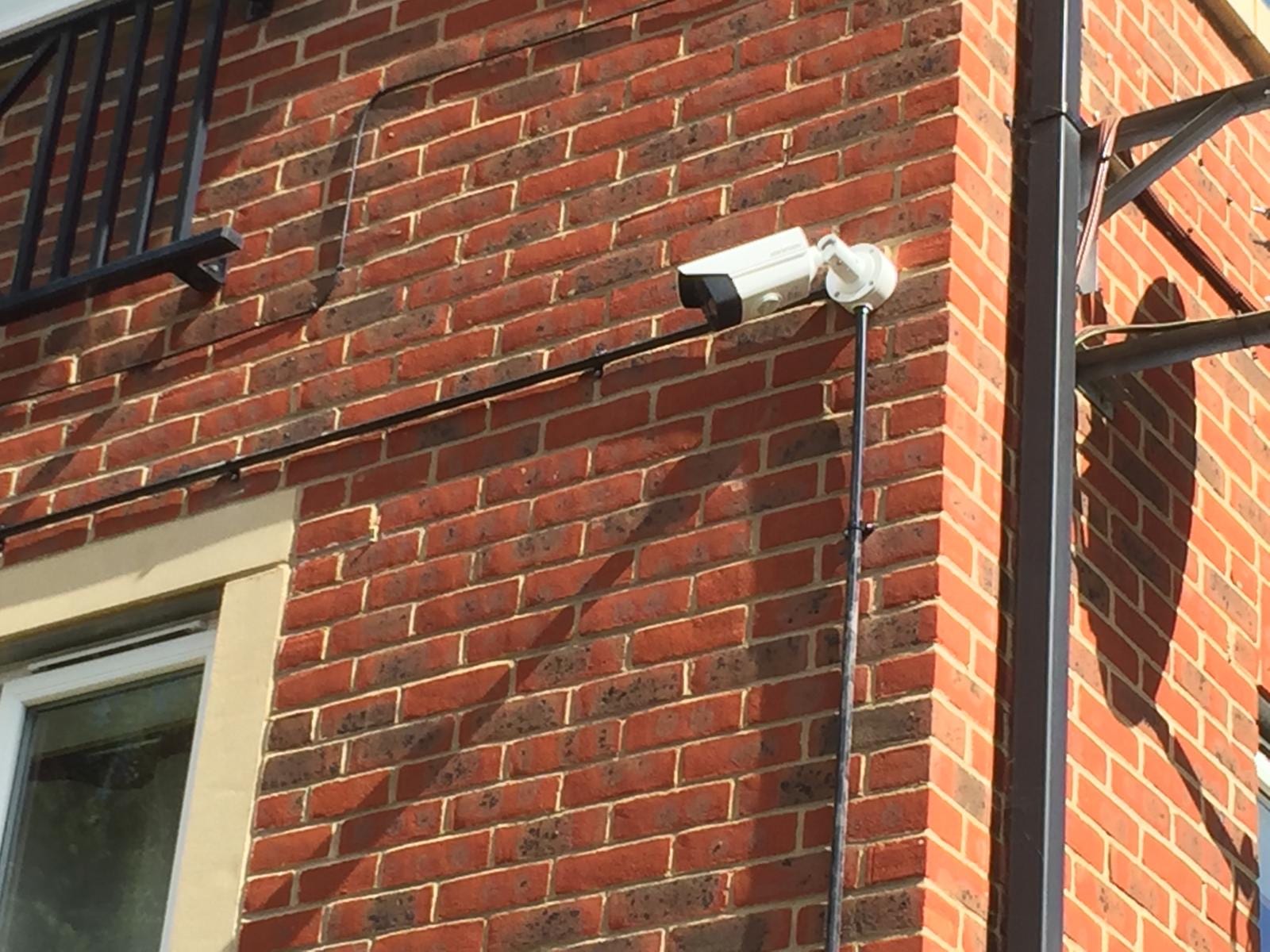
- Several cameras covering the front, sides, rear and driveway.
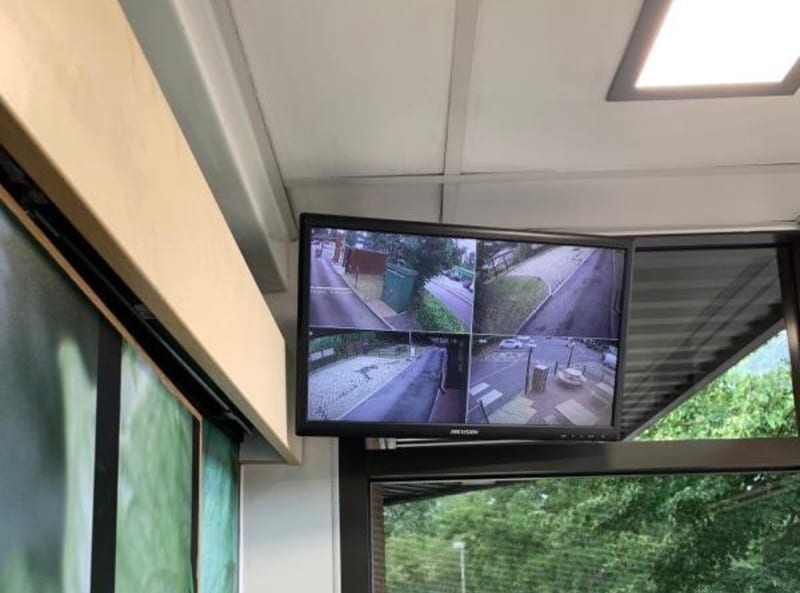
- Continuous or motion-triggered recording to a dedicated recorder.
- Better night coverage and more control over camera positions.
- Footage held on equipment you control.
Doorbell, CCTV, or both?
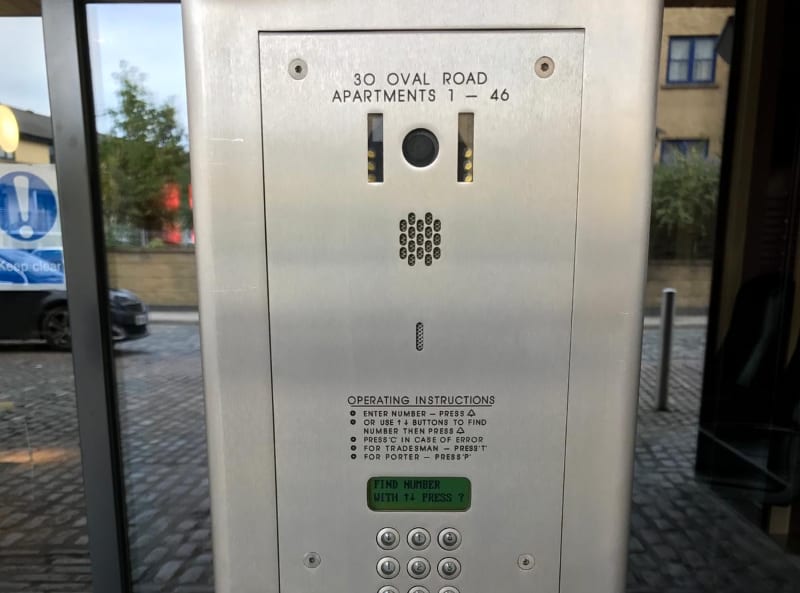
- A flat, or a small property with a single entrance: a video doorbell or an intercom may be all you need. See video doorbells and intercoms.
- A house with a garden, side access or a driveway: CCTV gives much better cover. See home CCTV.
- Most families: a doorbell at the front plus cameras covering the vulnerable routes works well, and they can often be viewed in one app.
Don't forget privacy
A doorbell that looks across the road or at a neighbour's door is covered by the same data protection considerations as any other camera. If you are unsure what applies, the ICO publishes guidance on domestic CCTV, and a survey is a good time to agree camera angles.
If you are not sure where to start, book a free survey and we will recommend what suits your property.