Fitting CCTV at home is one of the most common security upgrades, and in most cases it is perfectly straightforward. What people tend to miss is that the rules change once a camera sees beyond your own boundary. Here is a plain-English guide to what to think about first.
Cameras that only see your own property
If your cameras only capture the inside of your home, your garden and your driveway, data protection law generally treats it as a personal, household activity, and the main UK GDPR duties do not apply to you. You still need to use the system sensibly, but there is no paperwork to file.
When the rules do apply
The picture changes if a camera also captures a neighbour's property, a shared drive, or a public pavement or road. In that case the Information Commissioner's Office (ICO) expects you to treat the footage as personal data and follow data protection rules. In practice that means:
- Have a clear reason for each camera, such as deterring burglary or protecting a driveway, and place it so it does that job.
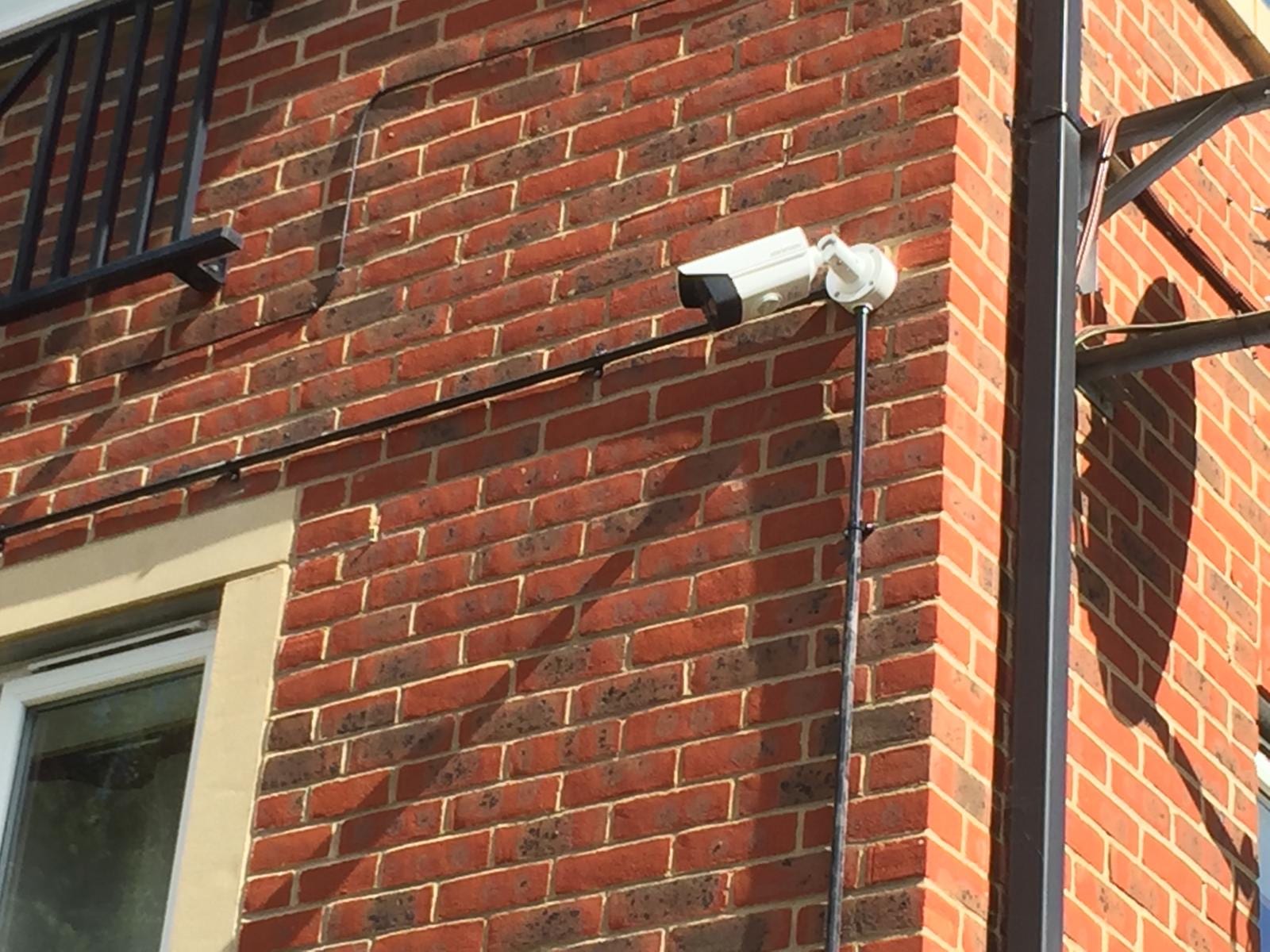
- Keep the view as tight as you can. Angling or masking cameras so they cover your property rather than the street is the simplest way to avoid problems.
- Tell people. A sign saying that cameras are in use, and who to contact, is good practice and often expected.
- Keep footage secure and only for as long as you need it, and be ready to deal with a request from someone who appears in it.
- Think about audio. Recording sound is far more intrusive than recording video, and it is usually best switched off unless you have a strong reason.
Doorbells count too
A video doorbell is a camera like any other. If it looks across the road or into a neighbour's drive, the same thinking applies. Our guide to video doorbells versus CCTV covers where each one works best.
Listed buildings and conservation areas
If your home is listed, or in a conservation area, fixing cameras to the outside may need consent. It is worth checking with your local council before anything is drilled. A good installer will raise this with you at the survey stage.
Sensible placement goes a long way
Most of the legal headaches come from cameras pointing in the wrong direction. Getting position, angle and field of view right from the start is part of a proper design, and it gives you better footage too. If you would like a home CCTV system planned around your property, or cameras you can watch from your phone through smart home and remote viewing, book a free site survey.